From Firefighting to Hiking: Finding Peace After Years of Service

The firehouse teaches you how to move fast. The trail teaches you how to slow down.
My Background in Fitness and Hiking
I had dabbled in hiking prior to leaving the fire service but mostly focused on running. Eventually, I transitioned into functional fitness, which I have enjoyed for many years. Helping others reach their fitness goals has become a rewarding part of my journey.
Experience in the Fire Service
After 20 years in the fire service, I learned how to read smoke, hear danger in a radio tone, and stay calm when everything around me was falling apart. I learned how to work tired, eat quickly, sleep lightly, and keep going after calls that most people never have to see.
What I did not learn right away was how to set all of that down.
For a long time, I thought carrying it was just part of the job. The hard calls. The faces. The smells. The near misses. The grief that comes home with you even when your gear stays at the station. Firefighters get good at compartmentalizing because the next alarm does not wait for you to feel ready.
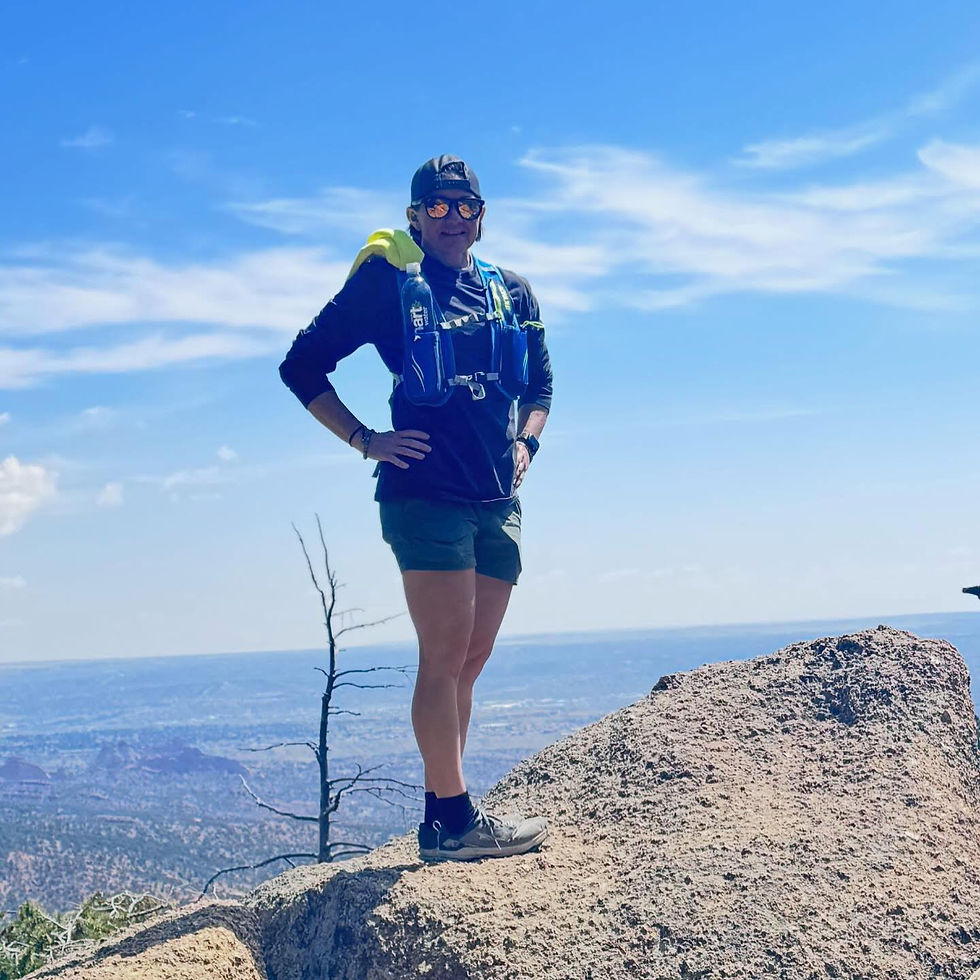
Hiking gave me something I did not know I needed. It gave me quiet without asking me to explain myself. It gave my body a purpose that was not tied to an emergency. It gave my mind space to wander, sort, grieve, and rest.
The weight that comes home after the call
Firefighters see people on some of the worst days of their lives. We respond when homes burn, when vehicles crumple, when families are scared, and when someone’s normal day has turned into a memory they will never forget.
The public often sees the strength. They see the turnout gear, the trucks, the teamwork, the rescue. They do not always see what happens later.
Later can be quiet.
Later is sitting at the kitchen table and replaying a call, in pieces. Later is waking up before the tones drop because your nervous system still thinks it is on duty. Later is driving past an address and feeling your chest tighten. Later is trying to be present with family while part of your mind is still on scene.
That weight does not mean someone is weak. It means they have been exposed to things the mind and body were never meant to absorb without cost.
Fire service culture has come a long way, but many firefighters still feel pressure to say they are fine. The job rewards toughness. It rewards control. It rewards being the person others can count on. Those are good qualities on the fireground, but they can become heavy when there is nowhere safe to put the pain.
For me, the trail became one of those safe places.
Why hiking made sense after years in the fire service
Hiking began as a simple activity with friends, enjoying camaraderie and nature, sharing laughter and stories amidst the sounds of gravel and leaves. Each trail offered unique experiences, from stunning vistas to tranquil brooks. Initially focused on physical challenge, hiking soon improved my mood and mental clarity through its rhythm, fresh air, and landscapes.
It became therapeutic, allowing reflection and introspection, with worries replaced by peace and tranquility. I grew more attuned to the environment, cultivating a deeper appreciation for the world beyond routine.
Regular hiking became a path for personal growth and healing. Shared experiences with friends provided support and encouraged deeper life discussions, creating bonds beyond hiking.
What started as simple walking evolved into a therapeutic journey with physical and emotional benefits. Trails became a sanctuary, offering escape from daily chaos and fostering meaningful connections, highlighting the powerful impact of nature and companionship on mental health.
That was part of the reason it worked.
There was no big ceremony to it. No need to talk if I did not want to. No need to perform. I could lace up my boots, find a trail, and move at a human pace. One step, then another. Breath by breath. Mile by mile.
After years of alarms, sirens, radios, and command voices, the quiet felt strange at first. Then it started to feel necessary.
The trail offered a different kind of structure than the job:
A clear path instead of a chaotic scene
Steady movement instead of sudden adrenaline
Natural sounds instead of tones and sirens
Time alone instead of constant readiness
A finish line that did not involve loss
That shift mattered. Firefighting often puts the body into high alert. Hiking helped remind my body that movement could be calm. My heart rate could rise because I was climbing a hill, not because the tones went off. Sweat could come from effort, not stress.
There is something grounding about feeling the earth under your feet. Rocks, roots, mud, leaves, and loose gravel all require attention. You have to be present enough not to trip. That simple focus can pull the mind out of loops.
For someone used to scanning for danger, the woods gave me something better to scan for: trail markers, deer tracks, changing weather, water crossings, the way sunlight moves through trees.
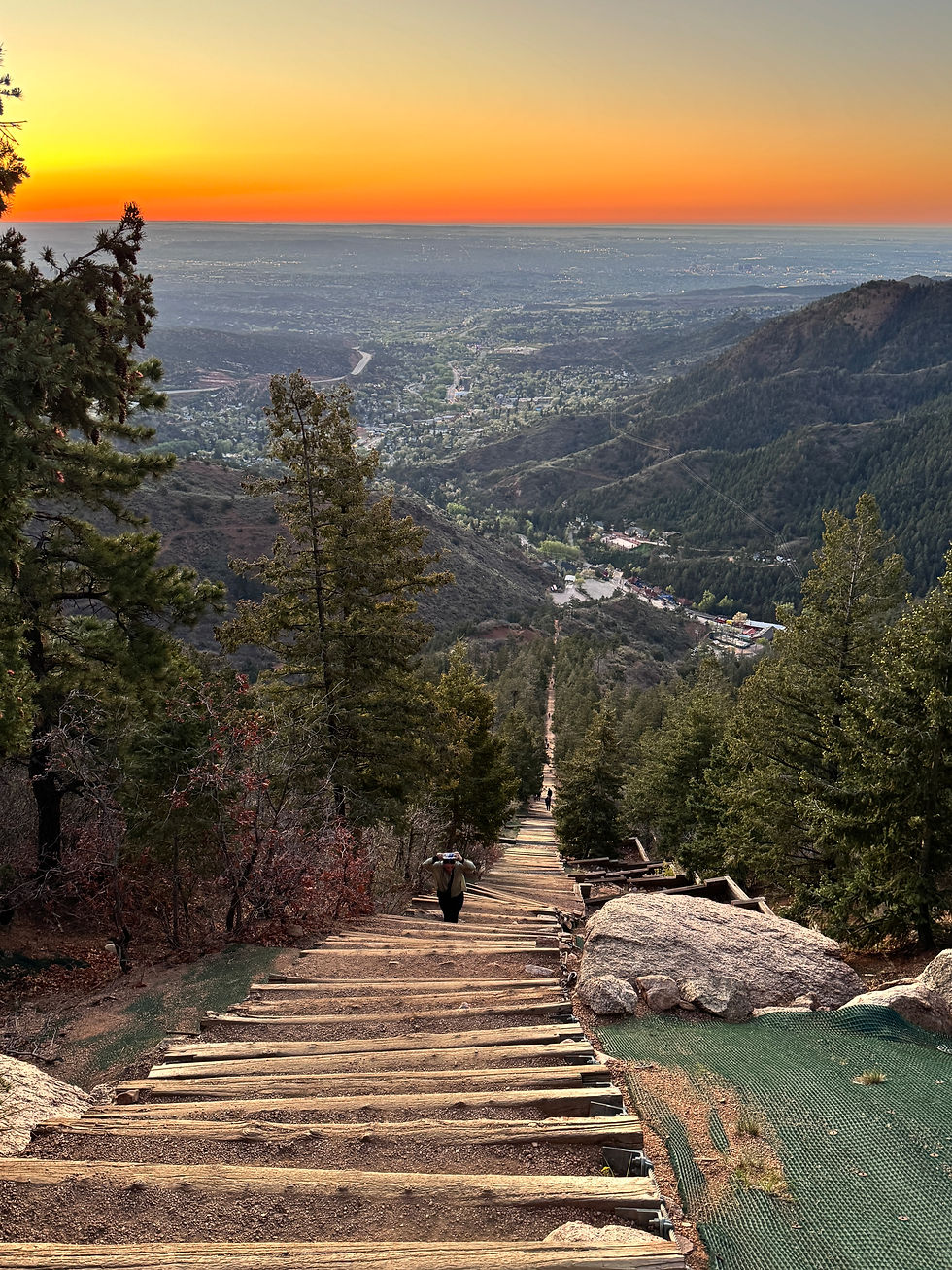
The trail gave me room to think without forcing it
One of the hardest parts of dealing with difficult memories is that they do not always come in order. A sound, a smell, or a certain kind of weather can bring something back without warning.
Sitting still with those memories can be hard. Talking about them can be even harder, especially at first.
On the trail, thoughts often came and went on their own. Some days I thought about old calls. Some days I thought about nothing more serious than where to step next. Some days I felt sadness. Other days I felt gratitude. There were hikes where I felt angry and hikes where I felt lighter by the time I got back to the truck.
The point was not to solve everything in one walk. The point was to create space.
Hiking became a way to let my mind loosen its grip. When a memory showed up, I did not have to fight it or explain it. I could notice it, keep walking, and let the trail hold part of the weight.
That may sound simple, but simple can be powerful.
The fire service trains people to act. Do something. Fix the problem. Stop the loss. Control the scene. Hiking is different. It asks you to accept the hill in front of you. It asks you to respect your limits. It asks you to keep moving, even when progress is slow.
That lesson carries over.
Healing after years of service often looks less like a breakthrough and more like a steady climb. You may not notice the elevation you have gained until you stop, turn around, and see how far you have come.
Nature does not ask for the story
One of the gifts of the outdoors is that it does not need details.
The trees do not ask what call still bothers you. The creek does not ask why you went quiet at dinner. The trail does not need you to prove you are okay.
That kind of silence can feel generous.
There are times when talking with a counselor, peer support team, chaplain, trusted friend, or family member is the right step. There are times when professional help is not just useful, but necessary. Hiking is not a replacement for mental health care, and anyone dealing with thoughts of self-harm, severe depression, panic, or trauma symptoms should reach out for qualified support right away.
But hiking can be part of the support system.
It can sit beside therapy, peer support, exercise, faith, family, and rest. It can become one healthy practice in a life that has carried too much stress for too long.
The Community of Hiking
Hiking not only offers physical benefits but also fosters a community of supportive individuals. Much like the camaraderie found within the fire department, hiking creates a space where people can connect, share experiences, and support one another.
The Importance of Connection
For firefighters, this sense of community is crucial. Isolation can sneak in, as the job creates strong bonds among colleagues but may also lead to feelings that those outside the profession cannot relate to their experiences. Hiking provides an opportunity to break that closed loop.
Reconnecting with the World
The trail serves as a pathway to reconnect with the world beyond the station, beyond the calls, and beyond the identity of always being the helper. Engaging with fellow hikers can help firefighters and others find understanding and support, reinforcing the idea that they are not alone in their journey.
On a trail, you are not a rank, a role, or a resume. You are just a person walking through trees, trying to breathe a little easier.

How I started hiking for peace, not performance
At first, it is easy to turn hiking into another mission. Firefighters are good at preparation, endurance, and pushing through discomfort. Those traits help on a trail, but they can also take over.
I had to learn that the goal was not to crush miles. It was not to beat a time, carry the heaviest pack, or prove anything.
The goal was peace.
That changed how I approached it.
I started choosing trails that matched the day I was having. If I felt drained, I picked something short and familiar. If I needed a challenge, I climbed. If I needed quiet, I went early. If I needed connection, I invited someone I trusted.
A few habits helped make hiking feel steady and safe:
I kept the first hikes simple.
Short loops, clear markings, and decent weather made it easier to relax. There was no need to start with a physically demanding or logistically complicated trip. (More to come on that experience later)
I carried the basics.
Water, snacks, a charged phone, a small first-aid kit, weather-appropriate clothing, comfortable backpack and a map gave me peace of mind.
I paid attention to my body.
Tight shoulders, shallow breathing, and a clenched jaw were signs that stress had followed me onto the trail. Noticing those signs helped me slow down.
I let the hike be what it was.
Some walks felt meaningful. Some felt ordinary. Both counted.
The brotherhood and sisterhood can continue outside the station
Leaving the fire service, retiring, or simply reaching the later years of a career can bring a strange kind of grief. The job can become part of your identity. The crew becomes family. The station becomes a second home. Even the hard parts become familiar.
When that changes, a person can feel unanchored.
Hiking helped me build a new rhythm without cutting off the old one. It gave me something to look forward to. It also gave me a way to stay connected with friends from the job in a healthier setting.
Some of the best conversations happen while walking side by side. Eye contact is optional. Long pauses are normal. Nobody has to sit across a table and announce that it is time to talk about feelings.
A trail can make honesty easier.
Two firefighters walking through the woods may start by talking about gear, weather, knees, or how out of shape they feel. Then, somewhere along the way, the real stuff may surface. A call. A regret. A fear. A memory. A laugh that breaks the tension.
Not every hike has to be heavy. That is part of the beauty of it. Sometimes the healing is in talking. Sometimes it is in joking around, sharing a sandwich, or standing at an overlook without saying a word.
For departments, retirees, and firefighter groups, hiking can also become a simple form of peer connection. It does not require a classroom or a formal event. It only requires a trail, a plan, and people willing to show up.
Peace is not the same as forgetting
I do not hike because I want to forget 20 years in the fire service. I hike because I want to live well with what those years gave me and what they took out of me.
There were moments of pride. There were saves. There were friendships forged by heat, work, and trust. There were lessons I would not trade.
There were also calls that left marks.
Peace does not erase those marks. It changes the way they live inside you.
On the trail, I have found room for both grief and gratitude. I can honor the people I served, the crews I worked with, and the version of myself that kept answering the alarm. I can also admit that the job was heavy and that I needed help setting some of it down.
That honesty feels like its own kind of strength.
Firefighters spend careers helping others survive their worst moments. They deserve places where they can breathe, recover, and remember that they are human too.
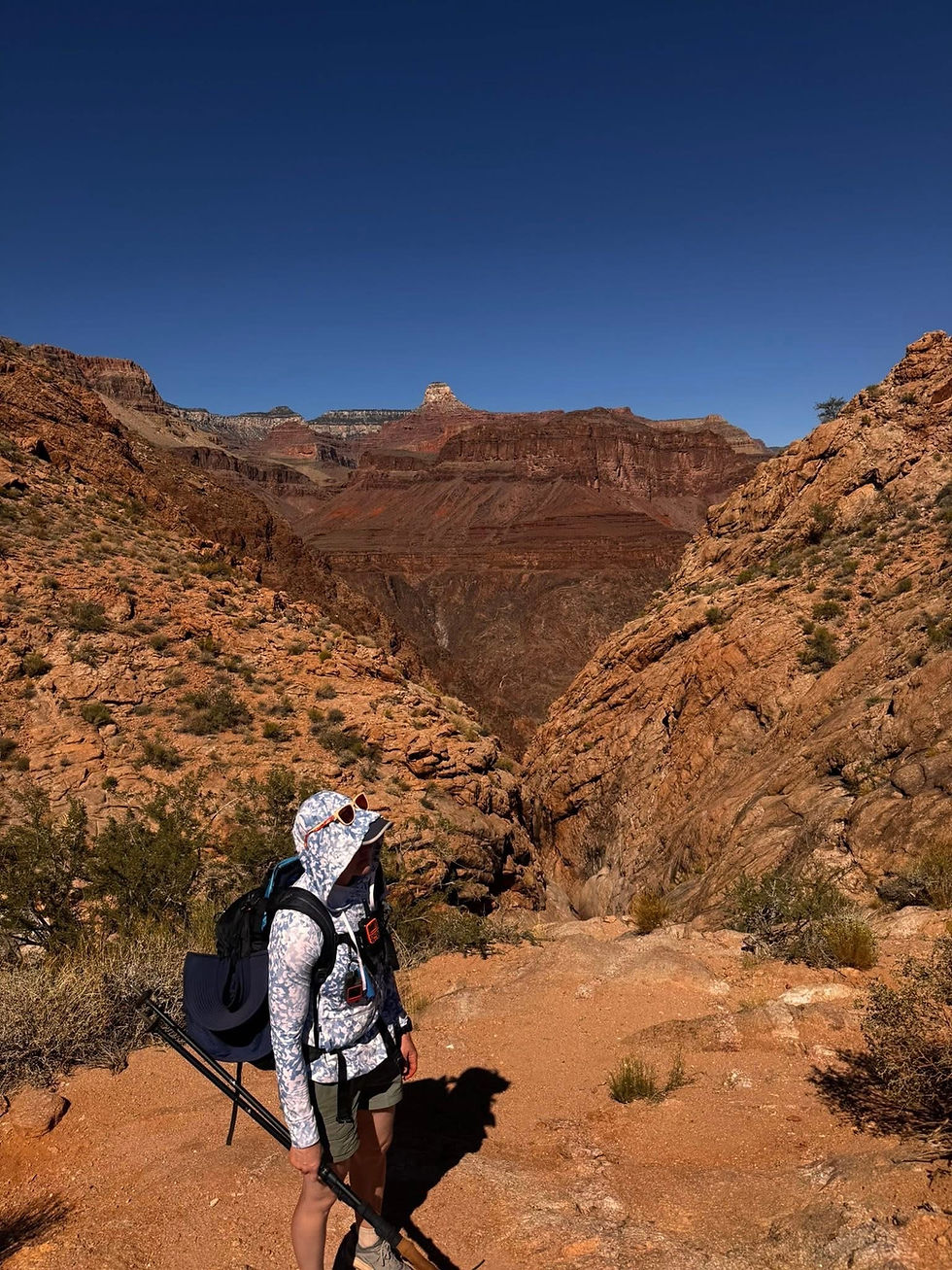
A quiet path forward
Hiking will not fix every wound. No trail can undo every call, every loss, or every night spent carrying what happened. But a trail can offer a place to begin.
It can give the mind a break from noise. It can give the body a calm kind of work. It can create space for memories without letting them take over. It can remind a firefighter, active or retired, that life still holds quiet mornings, open sky, steady breath, and ground solid enough to stand on.
For me, From Firefighting to Hiking is more than a change in activity. It is a way of learning how to be at peace after years of being ready for the next emergency.
Sometimes healing starts with a counselor. Sometimes it starts with a conversation. Sometimes it starts with lacing up a pair of boots and taking the first slow step into the trees.
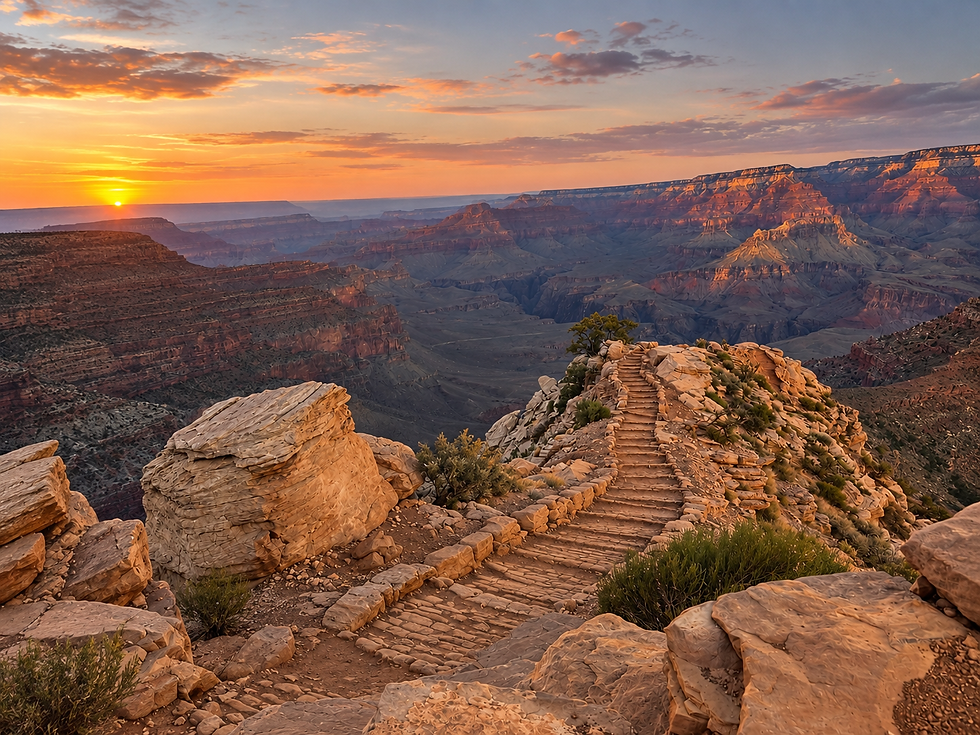
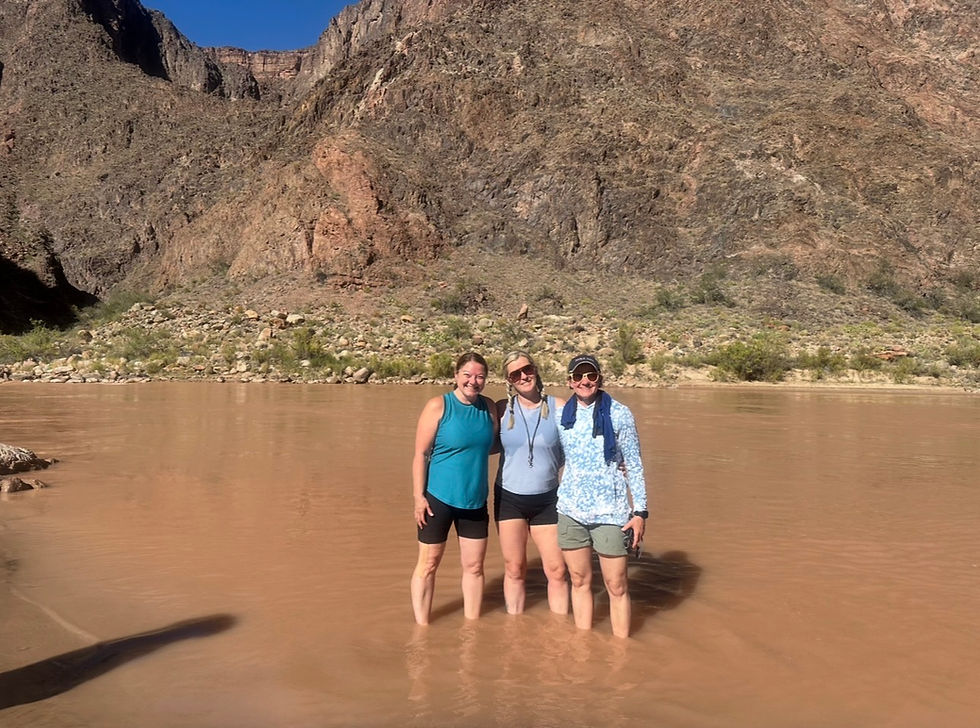
This is just beautiful! I can’t relate on the firefighter level but I can 100% agree that the trails help heal you! Every step, every hill, every amazing view leads to healing. So proud of you, Sissy! Love you!
You are truly amazing! Love ya!